Have You Suffered from NAION After Taking Semaglutide?
If you were diagnosed with NAION after taking Ozempic®, Wegovy®, or Rybelsus®, you may have questions about what happened and what comes next.
NAION is a serious eye condition that can cause sudden vision loss. Concerns about semaglutide and NAION are being examined in product liability litigation. Our team can listen to your experience, review the details, and explain whether a legal claim may be available.
Sudden vision loss needs prompt medical attention. A legal review cannot replace care from an eye specialist.
Tell us what happened.
Request a free, confidential case review. We’ll ask about the medication you took, your diagnosis, and when your symptoms began.
Submitting this form does not create an attorney-client relationship. A case review does not guarantee that a claim is available.
Understanding the medication
What is semaglutide and how does it work?
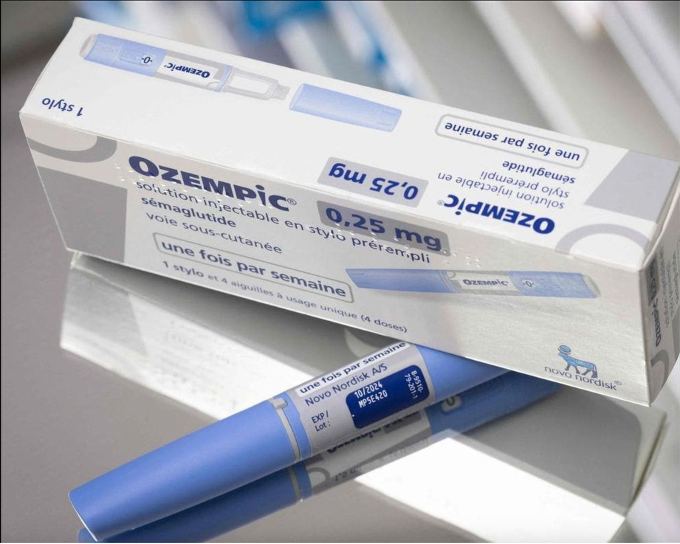
Semaglutide is the active ingredient in Ozempic®, Wegovy®, and Rybelsus®. These medications are used for different approved purposes, including managing Type 2 diabetes and weight.
Semaglutide works by mimicking a hormone that helps regulate blood sugar and appetite. Researchers and regulators have also examined reports of NAION, a serious eye condition that can cause sudden vision loss, in people taking semaglutide.
A diagnosis after taking a medication does not, by itself, establish what caused it. If this happened to you, your medical records and treatment history can help clarify the circumstances of your case.
Understanding vision loss
What is NAION?
NAION is an eye condition that can cause sudden vision loss, usually in one eye.
Its full name is non-arteritic anterior ischemic optic neuropathy. The optic nerve carries visual information from the eye to the brain. In NAION, reduced blood flow affects the front of that nerve, causing swelling and damage.
Vision loss may appear as blurriness, a dark or missing area in the field of vision, or difficulty seeing part of what is directly ahead. It is often painless, so someone may first notice it when they wake up. The loss can be lasting.
An eye specialist can examine the optic nerve and perform vision tests to determine what caused the change. Sudden vision loss needs prompt medical attention, regardless of whether you take semaglutide.
Request a Free Case ReviewYour legal options
Why consider a legal claim?
A NAION diagnosis can affect your work, your finances, and everyday life. If you were diagnosed after taking semaglutide, you may want to understand whether the manufacturer provided adequate warnings about the risk.
A diagnosis alone does not establish that a medication caused your vision loss or that you have a claim. A legal review looks at your medical history, medication use, diagnosis, and the circumstances of your case.
What could a claim address?
- Medical expenses: The cost of examinations, treatment, and ongoing care related to your vision loss.
- Lost income: Work you missed or a change in your ability to earn a living.
- Daily impact: The physical and emotional effects of living with impaired vision.
Product liability claims can also seek to hold manufacturers accountable for warnings about potential risks. What may be available depends on the facts and applicable law.
Request a Free Case ReviewSteps to Join This Lawsuit
If you have experienced vision problems after taking GLP-1/semaglutide, also prescribed as Ozempic or Wegovy, follow these steps to join the lawsuit:
1.
Contact Us: Fill out the form above to schedule a free, no-obligation consultation.
2.
Provide Details: Share your experience with this prescription, including any medical records and documentation of your vision issues.
3.
Legal Evaluation: Our experienced attorneys will evaluate your case and determine the best course of action.
4.
Pursue Justice: We will guide you through the legal process, fight tirelessly to secure the justice you deserve.
Frequently Asked Questions
Can semaglutide cause blindness?
Growing attention around semaglutide vision loss has led to increased scrutiny of potential links between semaglutide medications and NAION. NAION is a type of ischemic optic neuropathy that occurs when blood flow to the optic nerve is reduced, potentially leading to sudden and sometimes permanent vision impairment. While this type of GLP-1 vision risk appears to be rare, patients should be aware of possible semaglutide vision side effects, particularly sudden or unexplained changes in eyesight.
What are early symptoms of NAION?
Early symptoms of NAION are often sudden and painless, making them easy to overlook. Common signs associated with Ozempic NAION concerns include sudden vision loss in one eye, often noticed upon waking, blurred or dim vision, headache or periocular discomfort, loss of peripheral or side vision, a shadow, dark spot, or “curtain” effect and reduced color contrast or visual clarity. These symptoms may indicate optic nerve damage and should be evaluated immediately by a medical professional to rule out serious eye complications from semaglutide or other underlying causes.
Has the FDA warned about Ozempic and NAION?
The FDA has identified NAION as a potential safety signal involving GLP-1 receptor agonists, including Ozempic, and says it is evaluating the need for regulatory action.
Is the risk of NAION higher when you first start Ozempic?
A 2026 Diabetes Care study examining GLP-1 receptor agonists found that the relative risk was higher during the first six months of treatment and diminished with longer duration. Because that study examined the GLP-1 class rather than Ozempic alone.
Is NAION reversible?
NAION is generally not reversible. Vision loss caused by optic nerve damage is often permanent, although some individuals may experience partial improvement over time.
Because this form of ischemic optic neuropathy cannot typically be undone, early detection and management of contributing risk factors are critical. This includes monitoring for Ozempic vision loss symptoms and addressing vascular health conditions such as diabetes or hypertension.
Who should avoid semaglutide/GLP-1 medications like Ozempic?
Understanding your individual risk profile is key to minimizing potential GLP-1 vision risk and avoiding preventable complications. Certain individuals may be at higher risk for semaglutide/GLP-1 vision side effects or other complications. You should consult with a medical professional before using GLP-1 medications if you:
- Have a history of optic nerve conditions, including NAION
- Have diabetic retinopathy or pre-existing eye disease
- Have experienced prior episodes of sudden vision loss
- Have a personal or family history of medullary thyroid carcinoma
- Have Multiple Endocrine Neoplasia syndrome type 2 (or MEN 2)
Who may be at greater risk of developing NAION?
Research and clinical literature identify underlying factors associated with NAION, and recent GLP-1 research has also investigated whether factors such as diabetes control, smoking, age, hypertension and other characteristics affect observed risk.
What does the latest research say about semaglutide and NAION?
A 2026 study of U.S. veterans with type 2 diabetes found a higher NAION hazard among semaglutide initiators compared with SGLT2 inhibitor initiators, while another pooled analysis of randomized trials did not show increased incidence.
Is semaglutide the same as Ozempic?
Semaglutide is a generic name for Ozempic.
Who manufactures Ozempic?
Ozempic is manufactured by Novo Nordisk.
Is Rybelsus the same as Ozempic?
Rybelsus is a daily oral tablet that contains the same medication as the weekly injectable Ozempic.
What are the long-term side effects of Ozempic?
Studies show that prolonged use of Ozempic may increase the risk of several side effects, but mostly notably NAION for which there is no treatment and most commonly leads to blindness.
Does it matter if I took Ozempic for weight loss and not diabetes?
No, if you are diagnosed with a side effect after taking Ozempic for weight loss, you may still have a claim.
What should you do if you’re experiencing vision changes after using a GLP-1 medication?
If you’re experiencing symptoms associated with Ozempic vision loss or other semaglutide vision side effects, take immediate action:
- Seek urgent medical attention, especially for sudden vision loss
- Schedule a comprehensive eye exam with an ophthalmologist
- Document symptoms, including onset, severity, and affected eye
- Discuss medication risks with your prescribing provider
- Request diagnostic imaging to evaluate for optic nerve damage
Prompt intervention is essential, as conditions like can progress quickly and may lead to permanent impairment.
When should you seek medical help?
Seek immediate medical care if you’ve experienced:
- Sudden or painless vision loss
- A shadow, blur, or obstruction in your visual field
- Rapid changes in eyesight
- Loss of peripheral vision
These may be signs of sudden vision loss causes linked to optic nerve conditions or eye complications from semaglutide.
When should you seek legal help?
Consider legal consultation if:
- You’ve experienced Ozempic vision loss or were diagnosed with NAION after using semaglutide
- The condition has resulted in long-term or permanent damage
- You’ve experienced financial or quality-of-life impact
Napoli Shkolnik
Award-Winning National Pharmaceutical Litigation Firm


DEDICATED
CARING LEGAL TEAM
QUALIFIED
LEGAL KNOWLEDGE AND EXPERTISE
NO FEE
UNLESS YOU WIN YOUR CASE
Copyright © 2026 | All Rights Reserved | Privacy Policy. Terms of Use. Powered by Lemonade Stand.
Napoli Shkolnik is a registered trade name for NSPR Legal Services LLC, A Puerto Rican Limited Liability Corporation.
Attorney Advertising. The information on this website is for general information purposes only. Nothing on this site should be taken as legal advice for any individual case or situation. This information is not intended to create, and receipt or viewing does not constitute, an attorney-client relationship. Past outcomes mentioned on this site do not guarantee future results.
 (844) 230-7676
 Language

