
Have you or a loved one been diagnosed with meningioma after prolonged use of Depo-Provera® or its generic versions for at least a year?
You may have a Depo-Provera Lawsuit Claim.
If you or a loved one has been diagnosed with meningioma (brain tumors in the protective membrane of the brain and spinal cord) after using Depo-Provera® (or its generic versions), you may be entitled to compensation. The drug commonly used as a contraceptive and for endometriosis support is currently the subject of several lawsuits alleging that its manufacturers, pharmaceutical company Pfizer, failed to adequately warn consumers regarding adverse effects from prolonged use of the injectable contraceptive drug.
Our legal team at Napoli Shkolnik is currently reviewing possible cases and is here to help you understand your rights and hold these manufacturers accountable.
Start Your Free Case Evaluation
Fill out the simple form below.

What is Depo-Provera® and How Does it Work?
Depo-Provera®, is an injectable contraceptive drug containing medroxyprogesterone acetate (MPA) – a synthetic progestin hormone that inhibits ovulation and thickens cervical mucus altering the uterine lining which makes it highly effective as a contraceptive.
Its two most common uses are as a birth control/contraceptive and for endometriosis support.
What are meningiomas and what is the link to Depo-Provera®?
A meningioma is a type of brain tumor that forms in the meninges (the protective sheath around the brain and spinal cord). While meningiomas are typically non-cancerous and slow growing, depending on their location on the brain and how large they become, these can lead to severe health complications.
They often require invasive surgery for removal but due to their proximity to critical brain structures, intervention may be risky and, in some cases, inoperable. A tumor left intact that grows can lead to further acute and chronic complications by pressing on the brain or spinal cord, causing headaches, seizures, dizziness and vision problems.
It has been seen that the synthetic progestin hormone, medroxyprogesterone acetate (MPA) found in the injectable contraceptive drug has a direct association to the increased risk of Meningioma development.
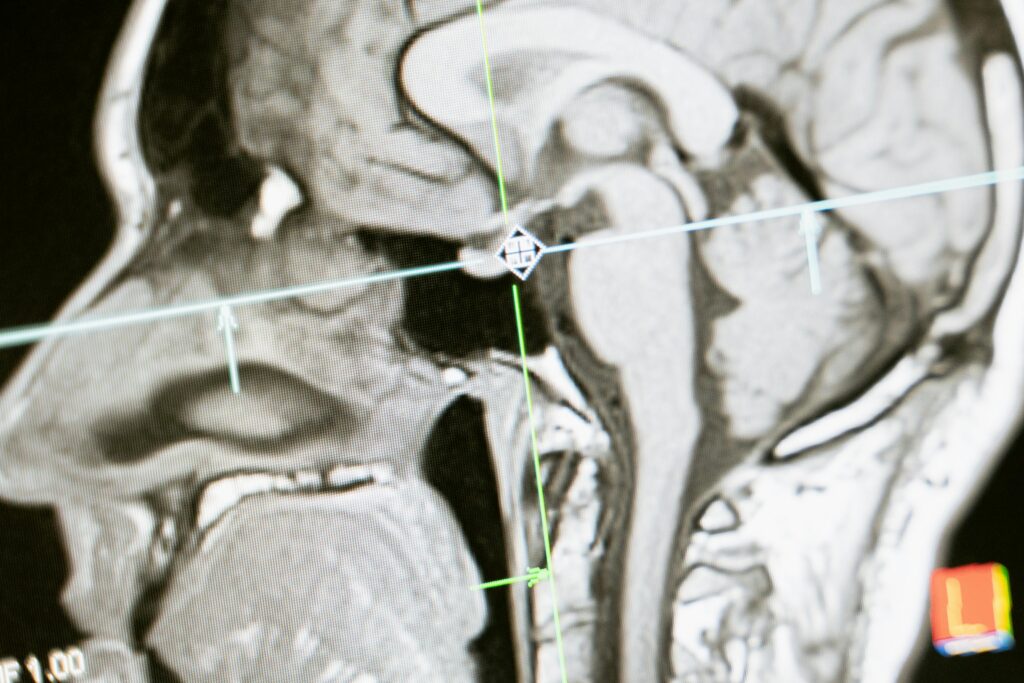


What Symptoms May Indicate a meningioma?
If you’ve used Depo-Provera® for at least one year or longer and you’ve experienced any of the following symptoms you may be at risk for a meningioma diagnosis:
- Severe headaches
- Vision changes (blurred/double vision)
- Seizures
- Cognitive and motor symptoms (mood changes, memory problems, difficulty speaking/understanding language, confusion, weakness numbness or tingling in arms legs or face, often on one side of the body)
- Hearing loss (or ringing in one ear)
- Loss of smell
It’s important to note that meningiomas grow slowly and that it can take years for symptoms to appear.
If you have reason to believe your symptoms may be directly associated with prolonged use of this contraceptive drug, you may qualify for a claim.
Why File a Lawsuit Against
Depo-Provera® Manufacturers?
Recent lawsuits claim that manufacturers, pharmaceutical company Pfizer, Inc., failed to properly warn users about the serious risk of using Depo-Provera®. Individuals who have experienced detrimental symptoms leading to a meningioma diagnosis, may be eligible for compensation, covering:
- Medical Expenses: Recover costs for ongoing treatments and healthcare needs.
- Lost Wages: Receive compensation for missed work due to health complications.
- Pain and Suffering: Seek damages for the physical and emotional impact of these side effects.
By filing a claim, you’re not only seeking compensation but also raising awareness of the risks associated with this medication.
For a free, no-obligation consultation, contact us today.


We Hold Manufacturers Accountable
Pharmaceutical companies have a responsibility to ensure their medications are safe for consumers. When they fail to adequately test their products or warn users of potential risks, they must be held accountable. By taking legal action, you can:
- Seek Compensation: Cover medical expenses, lost wages, and other damages related to your diagnosis.
- Raise Awareness: Help prevent others from suffering similar issues by bringing attention to the risks associated with Depo-Provera®.
- Promote Safer Practices: Encourage pharmaceutical companies to prioritize safety and transparency in their drug development processes.
Steps to File A Claim
If you have been diagnosed with meningiomas after taking Depo-Provera® (or its generic versions), follow these steps to see if you qualify for a claim:
1.
Contact Us: Fill out the form above to schedule a free, no-obligation consultation.
2.
Provide Details: Share your experience with this prescription, including any medical records and documentation of your health issues.
3.
Legal Evaluation: Our experienced attorneys will evaluate your case and determine the best course of action.
4.
Pursue Justice: We will guide you through the legal process, fighting tirelessly to secure the compensation you deserve.
Frequently Asked Questions (FAQs)
What is the Depo-Provera® Lawsuit?
The current Depo-Provera lawsuits allege that manufacturers failed to properly warn users about the serious risk of using Depo-Provera® of developing intracranial meningiomas if the injectable drug was used for over a year. Although typically benign, these tumors still require treatment as they can cause significant neurological issues and require invasive brain surgeries for removal as they can have life-altering symptoms.
What are meningiomas?
A meningioma is a type of brain tumor that forms in the meninges (the protective sheath around the brain and spinal cord). While meningiomas are typically non-cancerous and slow growing, depending on their location on the brain and how large they become, can lead to severe health complications. They often require invasive surgery for removal but due to their proximity to critical brain structures, intervention may be risky and, in some cases, inoperable. A tumor left intact that grows can lead to further acute and chronic complications by pressing on the brain or spinal cord, causing headaches, seizures, dizziness and vision problems.
How are meningiomas diagnosed?
Meningiomas are diagnosed through a series of medical procedures:
- Neurological exam: your doctor will test vision, hearing, coordination, reflexes, and cognitive function
- MRI with contrast: contrast dye helps illuminate tumors and lesions
- CT scan: an alternative if MRI is not possible; uses X-ray images to detect abnormalities
- Biopsy: in some cases, a tissue sample confirms the tumor type and whether it is benign or malignant
When Should I see a Doctor?
You should see a doctor if you’ve used Depo-Provera® for at least one year or longer and if you’ve experience any of the following symptoms:
- Severe headaches
- Vision changes (blurred/double vision)
- Seizures
- Cognitive and motor symptoms (mood changes, memory problems, difficulty speaking/understanding language, confusion, weakness numbness or tingling in arms legs or face, often on one side of the body)
- Hearing loss (or ringing in one ear)
- Loss of smell
Meningiomas grow slowly, and it can take years for symptoms to appear although not apparent.
What Are The Risks and Side Effects of Depo-Provera®?
The risks and side effects of prolonged use of Depo-Provera® are the following:
- Increased risk of meningioma
- Persistent headaches and severe migraines.
- Memory loss and other cognitive complications.
- Vision problems or loss.
- Severe mood changes, including anxiety and depression.
Do I qualify for a Depo-Provera® claim?
To qualify for a Depo-Provera claim, you must meet specific criteria, including:
- Proof of having used the brand-name Depo-Provera or another authorized generic form of the injectable contraceptive drug.
- A diagnosis of a brain tumor, such as a meningioma, after a prolonged use of the contraceptive must be confirmed as duration and frequency of use are critical for case evaluation.
Award-Winning National Pharmaceutical Litigation Firm





DEDICATED
CARING LEGAL TEAM

QUALIFIED
LEGAL KNOWLEDGE AND EXPERTISE
NO FEE
UNLESS YOU WIN YOUR CASE
Copyright © 2026 | All Rights Reserved | Privacy Policy. Terms of Use. Powered by Lemonade Stand.
Napoli Shkolnik is a registered trade name for NSPR Legal Services LLC, A Puerto Rican Limited Liability Corporation.
Attorney Advertising. The information on this website is for general information purposes only. Nothing on this site should be taken as legal advice for any individual case or situation. This information is not intended to create, and receipt or viewing does not constitute, an attorney-client relationship. Past outcomes mentioned on this site do not guarantee future results.
 (844) 230-7676
 Language
