 (844) 230-7676
 Language


New York Pharmaceutical Litigation Attorneys
We are ready to do everything in our power to achieve RESULTS for you.


We are ready to do everything in our power to achieve RESULTS for you.


Prescription medications can improve and save lives, but drugs can also cause serious injuries when they carry undisclosed risks, contain manufacturing problems or contamination, or are improperly marketed.
The U.S. Food & Drug Administration (FDA) regulates prescription medications and continues monitoring drug safety before and after medications enter the market. Many side effects and safety concerns may not become apparent until a medication has been used by a much larger population or for a longer trial period.
When dangerous drugs cause preventable injuries, pharmaceutical litigation can provide a way for injured patients and families to seek accountability and compensation. This is where experienced pharmaceutical litigation attorneys can help.

Napoli Shkolnik pharmaceutical litigation attorneys have the resources to take on pharmaceutical companies and other powerful corporations nationwide. We represent individuals and families who have suffered serious injuries that may be connected to dangerous drugs, inadequate warnings, contaminated medications, manufacturing problems, and other pharmaceutical negligence.
Pharmaceutical cases can involve extensive medical evidence, scientific research, regulatory records, expert testimony, and complex questions about how a medication was developed, tested, manufactured, labeled, marketed, and distributed. If you or a loved one has been severely injured after taking a prescription medication, the pharmaceutical attorneys at Napoli Shkolnik can evaluate what happened and explain your potential legal options.

A prescription drug may become the subject of litigation when evidence indicates that the medication was contaminated, improperly manufactured, inadequately labeled, or associated with serious risks that the public was not adequately warned about.
Depending on the circumstances, a pharmaceutical lawsuit may involve claims based on:
The potentially responsible parties depend on the facts of the case. Claims may involve pharmaceutical manufacturers or other entities involved in developing, manufacturing, marketing, or distributing the medication.
Our pharmaceutical lawyers work with medical professionals, scientists, and other qualified experts when appropriate to evaluate evidence and establish how a pharmaceutical drug may have contributed to an injury.
Compensation available in a pharmaceutical lawsuit depends on the injuries, applicable law, and circumstances surrounding the claim. Recoverable damages may include:
Punitive damages, damages awarded in cases where the defendant's conduct is found to be particularly harmful or egregious, may also be available in certain cases when the evidence and applicable law support them. Compensation is never guaranteed, and every pharmaceutical injury claim must be evaluated individually.
At Napoli Shkolnik, we represent people harmed by dangerous drugs and pharmaceutical negligence. These cases can involve class actions as well as coordinated mass tort or multidistrict litigation involving large numbers of people who suffered similar injuries after taking the same medication. Pharmaceutical litigation can arise from several types of drug safety issues and alleged misconduct such as:
Drug manufacturers have responsibilities related to the safety information and warnings accompanying their medications. Litigation may arise when evidence indicates that serious risks were known or should have been identified but were not adequately communicated to healthcare professionals or patients.
Manufacturing problems can affect the safety, purity, strength, or quality of prescription medications. Contamination, foreign particles, incorrect ingredients, sterility failures, packaging problems, and other manufacturing issues may result in recalls and, in some circumstances, serious patient injuries.
Pharmaceutical litigation may also involve allegations concerning deceptive representations about a medication's safety, effectiveness, approved uses, or known risks. Marketing practices may become relevant when evidence indicates that a pharmaceutical company minimized known risks, overstated potential benefits, or improperly promoted medication.
The opioid epidemic has resulted in extensive litigation involving manufacturers, distributors, pharmacies, and other entities in the pharmaceutical supply chain. Lawsuits have examined allegations involving the marketing, distribution, and oversight of prescription opioids and their impact on individuals and communities. Napoli Shkolnik has been involved in complex litigation addressing the consequences of the opioid crisis and other large-scale public health matters. Our litigation efforts have addressed the overprescribing of opioids, failure in process and accountability by national pharmaceutical chains, etc. Through settlement negotiations Napoli Shkolnik successfully addressed funds being used for abatement, programs, additional training for law enforcement, on-site medications (NARCAN), etc.
Pharmaceutical litigation involves many types of prescription medications; potential cases may arise when patients suffer serious injuries associated with:
The existence of an FDA recall, safety communication, or reported adverse event does not automatically establish that a pharmaceutical company is legally responsible for an injury. Likewise, a medication does not necessarily need to have been recalled for an injured patient to have a potential claim.
A pharmaceutical litigation attorney can investigate the specific medication, injury, medical history, regulatory information, and other evidence to determine whether a viable claim may exist.
Dangerous drug lawsuits are often more complex than traditional personal injury claims as they generally involve extensive scientific and medical evidence.
An investigation may include reviewing:
When many people report similar injuries involving the same pharmaceutical drug, cases may sometimes be coordinated through multidistrict litigation, a federal legal procedure that consolidates multiple civil lawsuits with common factual issues into a single court for pretrial proceedings to improve efficiency and consistency, or other consolidated proceedings.
At Napoli Shkolnik, we aggressively pursue justice for victims of pharmaceutical negligence. We provide comprehensive legal support, including medical treatment arrangements at no upfront cost, ensuring our clients receive the care and advocacy they deserve in state or federal court.
Pharmaceutical litigation refers to legal claims involving prescription drugs and medications that allegedly caused injuries. Claims may involve dangerous side effects, inadequate warnings, manufacturing problems, contamination, misleading marketing, or other forms of alleged pharmaceutical wrongdoing. These cases may be pursued individually or, when many people have similar claims involving the same medication, through, class actions.
Drug litigation specifically concerns legal claims arising from injuries allegedly associated with prescription or other pharmaceutical drugs. Depending on the circumstances, claims may involve drug manufacturers and other parties involved in developing, manufacturing, marketing, or distributing the medication.
Individuals who have suffered injuries allegedly caused by a pharmaceutical drug may be able to bring a lawsuit against a drug manufacturer or another responsible party. Potential claims may involve failure to warn, manufacturing problems, negligence, misleading marketing practices, or other legal theories. Whether a viable lawsuit exists depends on the facts, available evidence, applicable law, and filing deadlines.
A pharmaceutical lawyer represents individuals and other clients in legal matters involving prescription drugs and pharmaceutical companies. These attorneys may handle cases involving dangerous drugs, failure-to-warn claims, drug recalls, pharmaceutical negligence, mass torts, and other complex litigation involving drug manufacturers.
Seek appropriate medical attention and discuss concerns about your medication with a qualified healthcare professional. Do not stop taking prescribed medication without medical guidance unless you are instructed to do so.
It can also be helpful to preserve:
A pharmaceutical attorney can then evaluate whether the circumstances warrant further investigation.
Not necessarily. An FDA recall can provide important information about a pharmaceutical drug, but a recall is not automatically required for a legal claim. Whether you have a case depends on the medication, your injuries, available medical and scientific evidence, applicable law, and other circumstances.
No. A recall by itself does not establish that a particular medication caused an individual injury or that a pharmaceutical company is legally liable. Your attorney must evaluate the circumstances of your medication use, medical history, diagnosis, injuries, and the evidence surrounding the drug.
The FDA maintains current information about prescription drug recalls, safety alerts, and Drug Safety Communications. Patients may also receive recall information from pharmaceutical manufacturers, healthcare providers, or pharmacies. If you believe your medication has been recalled, check the medication name, manufacturer, lot number, and other identifying information against the recall notice. Speak with your healthcare provider or pharmacist before making changes to prescribed treatment.
Napoli Shkolnik pharmaceutical lawyers handle qualifying cases on a contingency fee basis. This generally means clients do not pay upfront attorney fees, and legal fees are collected from a recovery if compensation is obtained.
The timeline for pharmaceutical litigation varies significantly. Factors may include the complexity of the medical and scientific evidence, the number of plaintiffs, discovery, expert testimony, whether cases are consolidated into multidistrict litigation, settlement negotiations, appeals, and court schedules. Some cases may resolve through settlement, while others can take several years to reach a conclusion. An attorney familiar with the specific litigation can provide more meaningful information about its expected timeline.
Yes. Pharmaceutical injury claims are subject to statutes of limitations and potentially other filing deadlines. Statues of Limitations, the applicable deadline can vary based on the jurisdiction, type of claim, date of injury, when the connection between the injury and medication was discovered or reasonably could have been discovered, and other factors. Waiting to file can affect your ability to pursue a claim, speaking with an attorney as soon as you suspect a connection between a medication and a serious injury can help protect your legal rights.
If you or a loved one suffered a serious injury that may be connected to a prescription medication or dangerous drug, Napoli Shkolnik can investigate the circumstances and help you understand your legal options.
Our attorneys have experience handling complex litigation involving pharmaceutical companies and other powerful defendants. We have the resources to investigate medical and scientific evidence and pursue qualifying claims in state and federal courts.
Contact Napoli Shkolnik today for a free case evaluation.
Napoli Shkolnik also represents governmental entities and other public clients in complex litigation involving pharmaceutical companies, price fixing, public health harms, and other conduct that can impose significant costs on communities and taxpayers. Learn more about Napoli Shkolnik's Public Client Practice and how our attorneys represent municipalities and other public entities in complex litigation. Learn more about the representation you deserve, today.

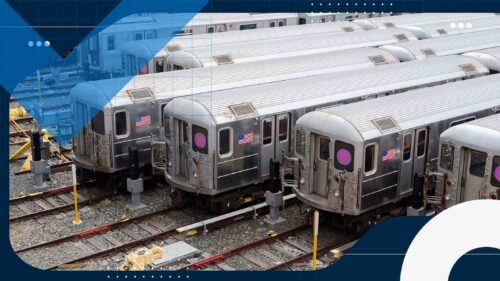
An explosion at the Metropolitan Transportation Authority’s (MTA) 207th Street Train Yard in Inwood, Manhattan, injured nine people on October 13, 2026, raising questions about transit facility safety, infrastructure maintenance,...
Read the Article
With the arrival of the fall season and progressively shorter days, pedestrians face an increased risk on the road. Reduced visibility, darkened commutes, and even increased driver fatigue...
Read the Article
Six Flags Roller Coaster Accident Raises Questions About Ride Safety and Liability Tragedy struck October 12, 2026 at a Six Flags amusement park in Atlanta, Georgia, when a...
Read the Article
Please Contact Us for an In-Person Appointment